
Rodent Exclusion Mission Viejo, CA | We Seal the Gaps They Use
Traps caught the last ones, but the scratching came back. That usually means the way in is still open. Our rodent exclusion in Mission Viejo finds every gap at the roof, vents and foundation and closes it with metal mesh and sealant, so new rodents can’t follow the same path.
Rodent proofing for Mission Viejo, Laguna Niguel, Aliso Viejo, San Juan Capistrano and nearby cities.
Roofline to Foundation
Every level of the house checked.
Metal, Not Foam
Galvanized mesh and hardware cloth.
Airflow Kept Open
Vents screened, never blocked.
Attic Cleanup Available
Droppings, nests and insulation.
Where Rodent Proofing Starts: 8 Common Entry Points
A roof rat can squeeze through a gap about half an inch wide, and a mouse needs only about a quarter inch. On a typical Mission Viejo home, these are the spots we check first:
1
Roof tile edges. Missing or loose bird stops (the end pieces under the first row of tiles) leave an open tunnel into the attic.
2
Attic and gable vent screens. Old screens rust, tear or pull loose from their frames.
3
Eaves and fascia. Gaps open where boards have shrunk, rotted or separated.
4
Roof-to-wall joints. Where a lower roof meets a second-story wall, small gaps are common.
5
Pipe and AC line openings. The holes where lines enter the house are often bigger than the lines themselves.
6
Garage doors. Worn bottom seals and gaps at the corners let mice walk right in.
7
Foundation and crawl space vents. Bent or missing screens give Norway rats and mice easy access.
8
Dryer and exhaust vents. Vents without a working flap or guard can become an entry point.
12345678
- 1Roof tile edges
- 2Attic vent
- 3Eaves and fascia
- 4Roof-to-wall joint
- 5Pipe and AC openings
- 6Garage door
- 7Foundation vent
- 8Dryer vent
Should I seal the holes before the rats are gone?
No. Rats sealed inside will chew new exits or die in the walls. Trap first, confirm activity has stopped, then seal. That order is the difference between a fix and a new problem.
How do I keep roof rats off the roof in the first place?
Cut branches back several feet from the roofline, clear dead palm fronds, pick up fallen fruit and thin out dense ivy on fences. Less to climb and eat means fewer rats testing your roof.
Signs It's Time to Seal Rat Entry Points
Trapping worked, so why is the noise back?
Traps clear out the rats that were inside, but the gap they used is still there. Rats leave scent trails along their routes, and new ones can follow those trails straight to the same opening. Until that spot is sealed, the cycle can repeat.
Can rats chew through the foam I sprayed in?
Yes. Expanding foam on its own is soft enough for rats and mice to chew through in a night or two. Lasting rodent proofing uses metal (galvanized mesh, hardware cloth or steel wool) with sealant to hold it in place.
How do I know if it's rats or mice getting in?
Mice use gaps as small as a quarter inch, usually low around garage doors, pipes and vents. Roof rats tend to come in high, at the roofline. Droppings help too: mouse droppings are rice-sized, while rat droppings are about half an inch or longer.
Will sealing block my attic ventilation?
It shouldn’t. Attics need airflow to stay dry. We replace damaged vent screens with sturdy mesh that lets air through and keeps rodents out, and we never cover a vent solid.
Why Mission Viejo Homes Develop Rodent Entry Points
Most homes here were built in the 1970s and 1980s, and decades of sun, settling and small remodels add up. Clay tile roofs shift a little over time, and the bird stops under the first row of tiles crack or go missing. Vent screens rust, garage door seals harden and split, and new cable or AC lines often leave oversized holes behind.
None of these gaps look like much from the ground. But roof rats coming off a palm or citrus tree find them quickly, and mice will try every opening along the base of a wall.
1970s–80s homes
Decades of wear on vents, eaves and seals
Clay tile roofs
Shifted tiles and missing bird stops open tunnels into the attic
Strong sun
Screens, weatherstripping and sealants break down faster
Add-ons over the years
New lines and fixtures can leave unsealed holes
Seal It or Repair It First? How We Decide
Some gaps just need to be closed. Others sit in wood or roofing that’s damaged and has to be fixed before any seal will hold.
| Spot | We can seal it when… | It needs a repair first when… |
|---|---|---|
| Attic or gable vent | The frame is solid and only the screen is torn | The frame is rotted or pulling away from the wall |
| Eave or fascia gap | The wood is sound and the gap is small | Boards are soft, split or missing |
| Roof tile edge | Bird stops are missing but the tiles sit right | Tiles are broken or slipping, which is a roofer's job |
| Garage door | The bottom seal or corner weatherstrip is worn | The door frame or slab edge is damaged |
| Pipe or AC opening | There's a gap around a sound line | The wall around it is cracked or crumbling |
| Foundation vent | The screen is bent or missing | The vent opening itself is broken |
When a repair is needed, we tell you what it is and who should handle it, then seal once it’s done.
Rodent Proofing Materials We Use, and Why Foam Isn't One of Them
Rodents can chew through soft materials, so every seal needs something they can’t get their teeth into. Here’s what goes where:
| Material | Where it goes | Why it works |
|---|---|---|
| ¼-inch galvanized hardware cloth | Attic, gable and foundation vents | Keeps rats and mice out while air still flows |
| Galvanized mesh or steel wool + sealant | Gaps around pipes, cables and AC lines | Metal stops chewing; sealant holds it in place |
| Bird stops / eave closures | Open ends under the first row of roof tiles | Closes the tunnel into the attic without lifting tiles |
| Sheet metal flashing | Larger gaps at roof-to-wall joints and eaves | Rigid and weatherproof |
| Rodent-resistant garage door seals | Bottom of the door and corner gaps | Ordinary rubber seals wear out fast and get chewed |
| Door sweeps and pipe collars | Side doors and plumbing under sinks | Close small gaps mice use indoors |
| One-way exclusion doors (when needed) | A main entry point during trapping | Lets rodents leave but not come back in |
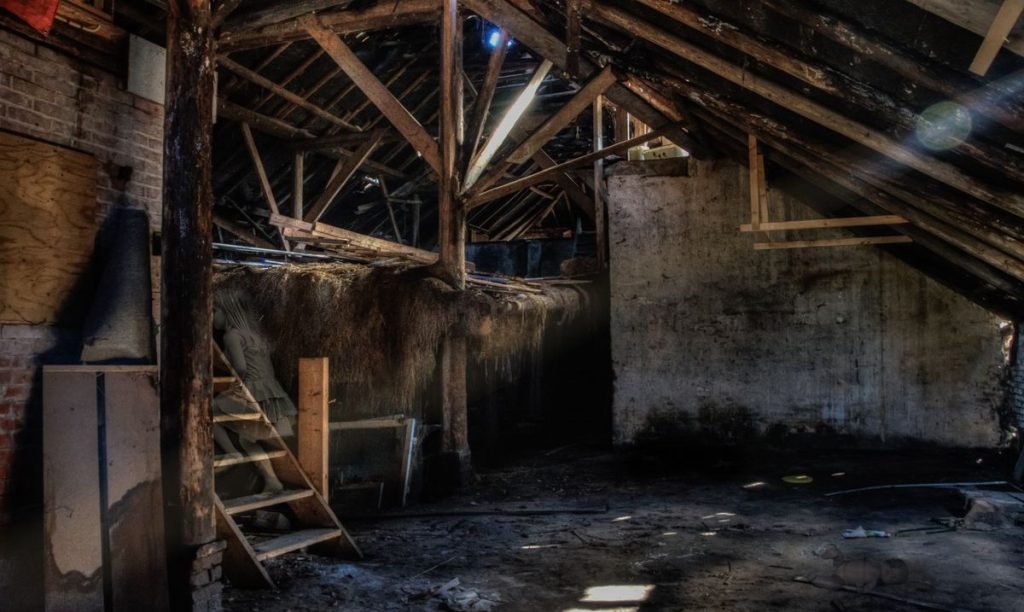
Attic Cleanup and Insulation Replacement After Rats
Sealing keeps new rodents out, but it doesn’t remove what the old ones left behind. Droppings, urine and nests in the insulation can keep the smell going and draw new pests. Cleanup is often the last step of a full exclusion job.
When cleaning is enough
If activity was light and limited to one area, we can remove the droppings and nesting, then sanitize and deodorize the spot without pulling out the insulation around it.
When the insulation needs replacing
When insulation is matted down, stained with urine or full of tunnels and nests, it has lost much of its insulating value and holds the odor. Removing it and blowing in fresh insulation is usually the better fix.
What the cleanup involves
We remove soiled insulation with a HEPA vacuum, take out nests and droppings, treat the attic floor and framing with a disinfectant and deodorizer, and then install new blown-in or batt insulation once the attic is sealed.
Safety note: rodent droppings and urine can carry germs, so attic cleanup is done with protective gear and the waste is bagged and removed. Don’t try to vacuum droppings out of insulation with a household vacuum.
What We Leave Open on Purpose
Good rodent proofing never closes something your home needs to breathe or drain. These openings get screened or guarded, never sealed shut:
Attic vents: screened with metal mesh so air keeps moving and moisture can escape.
Weep screed at the base of stucco walls: water has to drain out, so we seal gaps around it, not across it.
Dryer and bath exhaust vents: fitted with guards or flaps that still let air out.
Water heater and furnace air openings: combustion air has to stay clear, so we only screen where it's safe to.
Plumbing vents on the roof: left open to work as designed, with gaps around the pipe base closed.
How It Works
Our Rodent Exclusion Service in Four Steps
From the first look at your roofline to the last sealed gap.
01
Roof-to-Foundation Inspection
We check the roofline, eaves, vents, walls, garage and foundation, mark every opening and look in the attic for current activity.
02
Clear the House First
If rodents are still inside, we trap them or fit one-way doors before closing anything.
03
Seal Every Opening
Gaps are closed with hardware cloth, mesh, flashing and sealant matched to each spot.
04
Clean Up and Recheck
Attic cleanup if it's needed, then a return visit to make sure no new activity has started.
Already trapped them once? Let's close the way in.
What Rat Proofing a House Should Include
A partial job leaves the gap you didn’t know about. Before you hire anyone, make sure the plan covers:
The roof, eaves, vents, walls, garage and foundation all checked
Rodents cleared out before any sealing starts
Metal-based materials at every gap, not foam alone
Vents screened, never blocked
Worn garage door bottom and corner seals replaced
Tree limbs and vines touching the roof noted for trimming
Attic cleanup or insulation replacement where it's needed
A recheck after sealing
Still hearing activity? Start with removal first.
What Affects the Cost of Rodent Exclusion
Exclusion is priced by the house, not by the hole. These are the things that change the scope the most:
| Factor | Why it matters |
|---|---|
| Number of openings | More gaps mean more time and material |
| Roof type, pitch and height | Steep tile roofs and two-story homes take more care to work on safely |
| Length of roof edge needing bird stops | Some homes need a few feet; others need the whole perimeter |
| Repairs before sealing | Rotted wood or broken vents may need fixing first |
| Attic cleanup area | Insulation removal and replacement is priced by the area covered |
| Whether trapping comes first | Active rodents need to be cleared before sealing |
What to Expect From Your Exclusion Visit
1
Tell us the history.
Where you've heard activity, what's been tried, and whether anyone has trapped or baited before.
2
Walkthrough and plan.
We go over the openings we found and give you a clear list and price before any work starts.
3
Sealing and recheck.
We close the gaps, clean the attic if it's part of the plan, and come back to confirm the house is quiet.
Related Rodent Services
Rat Removal
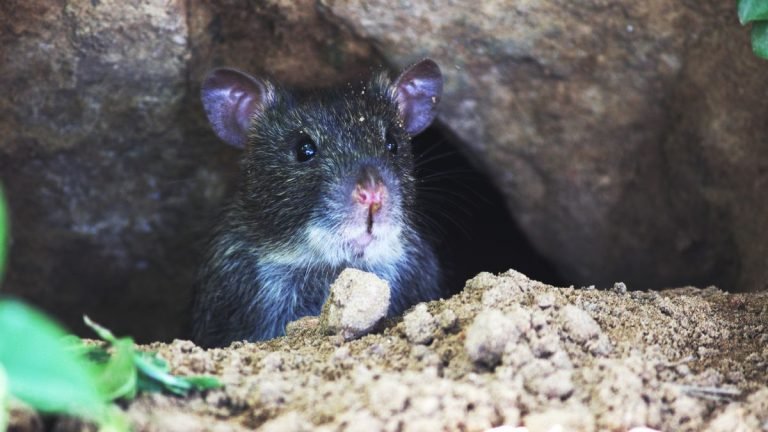
Roof rats in the attic or Norway rats in the garage? We trap them along their runways before any sealing starts.

Mouse Control
Mice in the kitchen, pantry or garage storage. We find the nest and the low gaps they slip through.
Areas We Serve
Rodent Exclusion Across Mission Viejo and Nearby Cities
Tile roofs, stucco walls and 1970s vents are common from Laguna Hills to Rancho Santa Margarita. We seal homes in every Mission Viejo neighborhood and the cities around it.
Mission Viejo, California
Mission Viejo neighborhoods
Lake Mission ViejoCasta del SolPalmiaPacific HillsAegean HillsMadrid del LagoCountry Club AreaOso Creek
Nearby cities
Rodent Exclusion FAQs
What is rodent exclusion?
Rodent exclusion means sealing the openings rats and mice use to get into a home. It’s done with metal-based materials like hardware cloth, mesh and flashing, after any rodents inside have been removed. Instead of dealing with the rodents one at a time, it closes the way in.
How long does rodent exclusion last?
Metal seals over solid structure hold up for years. New gaps can still open as a roof shifts, seals wear out or work is done on the house, like a new AC line or solar install. Having the roofline and vents checked now and then catches those early.
Can you seal my house while rats are still inside?
Not safely. Rats sealed in will chew new exits or die inside the walls. We trap first, or fit one-way exclusion doors that let rodents leave but not return, and seal the rest once activity stops.
Do you need to go up on my roof?
Usually, yes. Tile edges, roof vents and roof-to-wall joints are hard to reach any other way. We step carefully on clay tile to avoid cracking it, and some spots can be reached from a ladder or from inside the attic.
Do I need attic cleanup if the house is sealed?
Not always. If activity was light, sealing and a spot cleanup may be enough. If insulation is soaked, matted or full of nests, the smell and germs stay behind, and removing and replacing it is usually the better choice.
Is exclusion worth it if I've already trapped the rats?
That’s when it matters most. Trapping cleared out the rats you had, but the gaps they used are still open, and new rodents can find them. Sealing those gaps is what stops the cycle of trapping again every few months.
Ready to Close the Gaps? Book Rodent Exclusion in Mission Viejo
We’ll find every opening from the roofline to the foundation and seal it with materials rodents can’t chew through.