
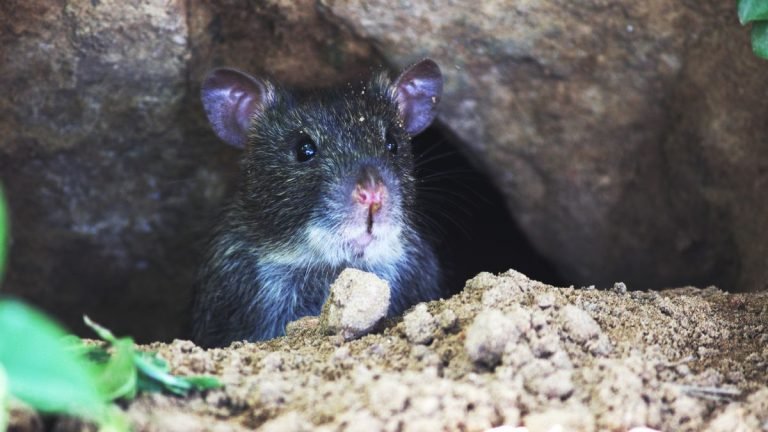
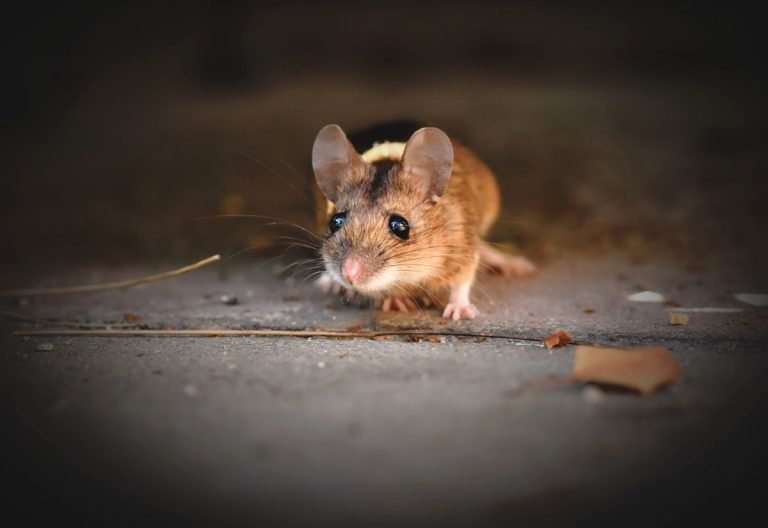
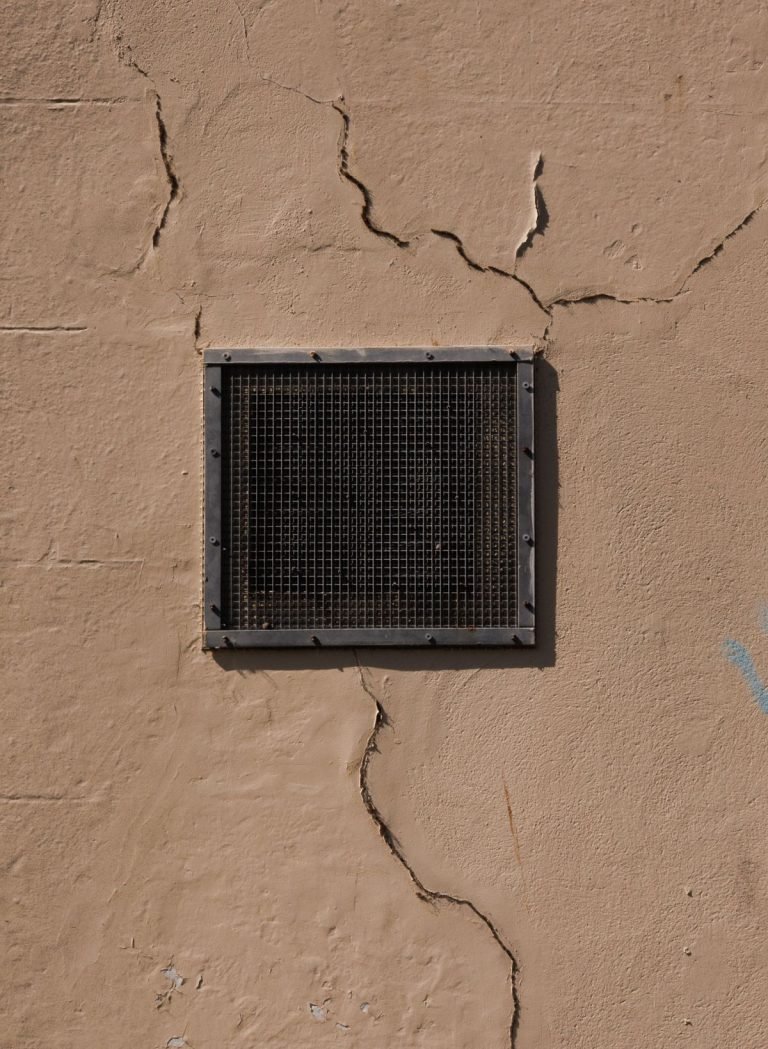
Scratching in the walls of an older adobe-style home. Droppings near the feed bins out back. Mice in a garage that backs onto the creek trail. Our rodent control in San Juan Capistrano finds how rats and mice are getting in, traps them along their routes and seals the gaps behind them.
Serving San Juan Capistrano homes, from the older neighborhoods near downtown to the newer streets on the hills.
From homes near the creeks to properties with room for animals, these are the signs that usually show up first:
Yes. Open feed bags, spilled grain and bird feeders are easy food, and rats will travel to them every night. Store feed in metal or heavy plastic bins with tight lids and clean up spills daily.
We don’t recommend it. Horses, dogs, cats and wildlife can be harmed by bait or by eating poisoned rodents, and most anticoagulant baits are restricted in California. Traps and sealing avoid that risk.
Older homes often have gaps where walls, roofs and additions meet, plus worn vents and door seals. Sealing them takes care, especially on plaster, stucco or adobe-style walls, so we use materials that hold without damaging the original finish.
Feed, water troughs, hay and shelter put everything a rat needs in one place. Storing feed in sealed bins, cleaning up spills and keeping hay off the ground all help, along with trapping and sealing nearby buildings.
They can. San Juan Creek and Trabuco Creek run through town with trails and vegetation along their banks. That cover lets rodents travel close to nearby homes, especially in cool, wet weather.
Many older homes have wall cavities and crawl spaces that connect rooms. Rats and mice use those voids to move between the foundation and the kitchen or attic. If you notice a rotten smell, read our guide to dead rat smell in the wall.
San Juan Capistrano grew up around its mission, founded in 1776, and became a city in 1961. The Los Rios Historic District near downtown is often called one of California’s oldest neighborhoods, and the city’s median home dates to about 1979. Older construction tends to have more of the small gaps rodents look for.
The city also keeps a lot of open land. San Juan Creek and Trabuco Creek meet at Descanso Park, with trails along both, and the Northwest Open Space follows Trabuco and Oso Creeks. Trail riders use these routes too, and properties with animals and feed give rodents an easy meal.
How It Works
Whether it’s a decades-old home near downtown or a newer house on the hills, the steps are the same. Older homes and properties with animals just get a closer look.
| Factor | Why it matters |
|---|---|
| Age and style of the home | Older walls, additions and finishes take more care to seal |
| Number of entry points | Each gap at the roof, walls and foundation has to be closed |
| Outbuildings and animal areas | Sheds, stables and feed rooms add places to check and seal |
| Cleanup needs | Soiled insulation, nests or a dead rodent in a wall add to the scope |
Areas We Serve
We cover San Juan Capistrano from the older streets around downtown and Los Rios to the homes along the creek trails and hills, plus Mission Viejo and the cities around it.
Yes. We seal gaps in older homes with materials and methods that hold without damaging original plaster, stucco or woodwork. If your home has special requirements for exterior changes, let us know before the visit.
We inspect and trap around homes, garages, sheds and feed areas on properties with animals. Traps go where horses, dogs and other animals can’t reach them, and we point out feed storage changes that cut down on rodent activity.
Food and cover are usually the reason: fallen fruit, pet or animal feed, woodpiles and thick plantings near the creek or slopes. Trapping and sealing handle the house; cleaning up those attractants keeps the yard from drawing new ones.
Most homes need a few visits over one to three weeks: inspection and trap setup, trap checks, then sealing once activity stops. Larger properties with outbuildings can take a little longer.
No. Bait can harm horses, pets and the hawks, owls and other wildlife along the creeks, and most anticoagulant baits are restricted in California. We use traps and sealing.
Yes. We find the nest, set covered traps away from food, kids and pets, and seal the small gaps mice use around doors, pipes and vents. See Mouse Control. Signs to look for are in our guide to mice in the house.
We’ll find how they’re getting in, trap them and seal the house behind them.