


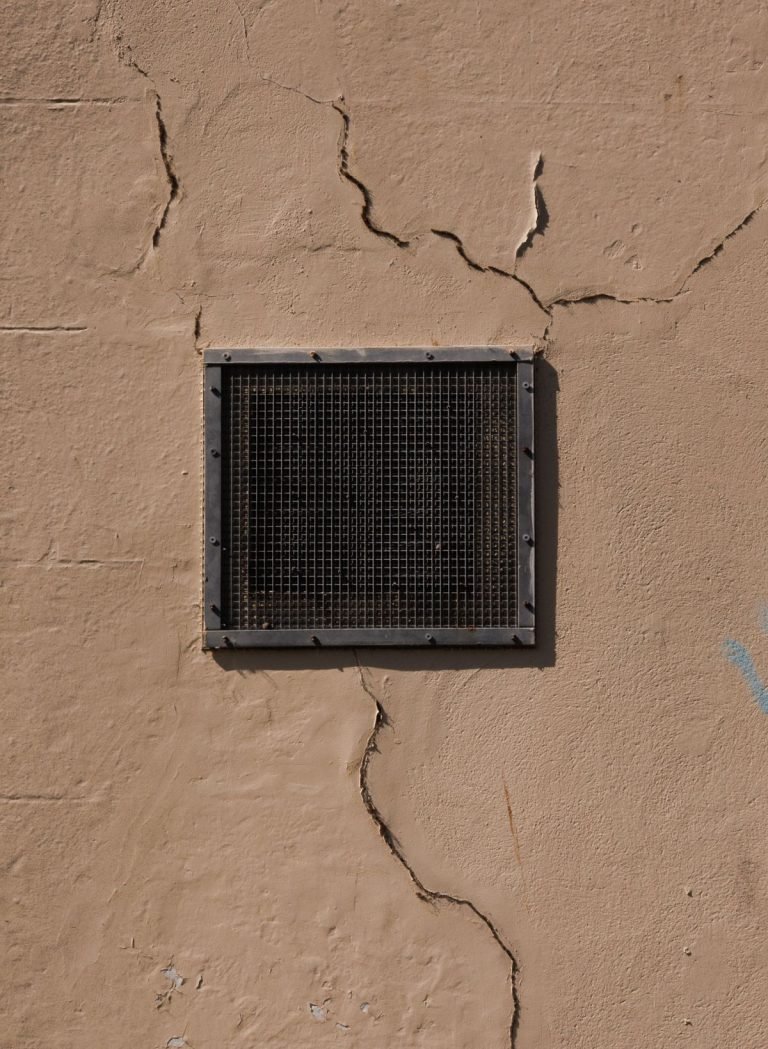
A rustle in the attic above the hallway. Mouse droppings behind the washer. A rat crossing the power line out back at dusk. Our rodent control in Laguna Hills deals with the rodents inside, then closes the worn vents, roof gaps and door seals that decades-old homes tend to develop.
Serving every Laguna Hills neighborhood, including Nellie Gail Ranch.
In established neighborhoods with big trees and older roofs, these are the signs we hear about most:
After decades of sun and settling, vent screens tear, roof edges open up and door seals harden. Each of those can leave a gap big enough for a rat or mouse. Sealing them is what keeps new ones out.
It depends on how many rodents there are, how many gaps need sealing and whether the attic needs cleanup. Older homes sometimes have more openings, which is why the inspection comes first.
A new roof doesn’t always cover every opening. Gaps can remain at vents, roof-to-wall joints, AC line openings and the garage, and tile ends sometimes go back on without bird stops.
Rats are most active after dark. Roof rats often leave the attic at dusk to feed and come back before dawn, so the noise tends to peak at those times.
Often, yes. Mature trees with limbs over the roof give roof rats an easy bridge. Trimming branches back several feet from the roofline makes the house much harder to reach.
Laundry rooms are warm, quiet and often have gaps where dryer vents and water lines pass through the wall. Those gaps lead mice straight inside.
Laguna Hills grew out of the old Moulton Ranch, which was split up for homes starting in the early 1960s. The city incorporated in 1991, but many of its neighborhoods are older than that, with a median build year of about 1980. After that many years, attic vents, eaves and garage door seals have had plenty of time to wear.
Those neighborhoods also come with something rats like: mature trees. Decades of growth mean big limbs over rooftops, dense hedges along fences and fruit trees in many backyards, all of which give roof rats food, cover and a way up.
How It Works
Older homes usually have more than one way in, so every inspection covers the whole house, not just where you heard the noise.
In older neighborhoods, the number of worn openings usually drives the price more than anything else:
More: Rodent Control Cost in Mission Viejo
| Factor | Why it matters |
|---|---|
| Number of worn openings | Older vents, eaves and seals can mean more gaps to close |
| Size of the problem | A few mice is a smaller job than roof rats nesting in the attic |
| Tree work needed | Limbs touching the roof should be trimmed for sealing to hold |
| Cleanup needs | Soiled insulation or a dead rodent in a wall adds to the scope |
Areas We Serve
We cover all of Laguna Hills, from Nellie Gail Ranch to the older streets near the city’s parks, plus Mission Viejo next door and the rest of the Saddleback Valley.
Yes. We cover Nellie Gail Ranch and every other Laguna Hills neighborhood. Larger lots with more trees and landscaping often need a closer look at the roofline and yard.
Often, yes. Homes that old have had decades for vent screens to tear, roof edges to open and door seals to harden. The inspection finds each one so nothing gets missed.
Yes. Droppings, noise and chew marks usually tell us within one visit. Rats tend to stay up high and leave larger droppings; mice stay lower and leave rice-sized ones. Signs to look for are in our guide to mice in the house.
Most homes need a few visits over one to three weeks: inspection and trap setup, trap checks, then sealing once activity stops. Homes with many worn openings can take a little longer to seal.
We point out branches and vines that give rodents a path to the roof and recommend how far back to trim them. The trimming itself is usually done by a tree service or your gardener.
No. We use traps and sealing. That fits California’s limits on anticoagulant baits and avoids rodents dying inside walls, where the smell can last for weeks.
We’ll trap the rodents inside and close the worn gaps that let them in.