
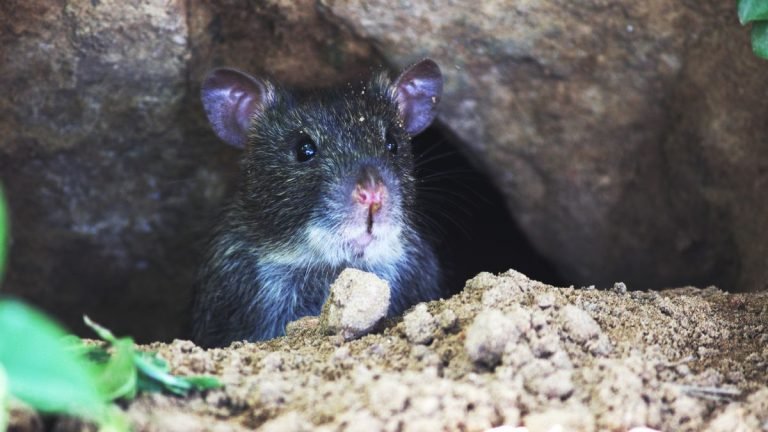

Scratching above the ceiling in an older El Toro home. Droppings behind the storage bins in a Foothill Ranch garage. Fruit chewed off the tree in Portola Hills. Our rodent control in Lake Forest finds where rats and mice are getting in, traps them along their routes, and seals the gaps so the next ones can’t follow.
Serving every Lake Forest neighborhood, from El Toro to Foothill Ranch and Portola Hills.
Rodents in Lake Forest homes tend to leave the same few clues. If you’ve noticed two or more, it’s worth an inspection:
Homes that back onto open space, like the edges of Whiting Ranch Wilderness Park, can see more rodents moving in from the brush. Sealing the house matters even more there.
We don’t recommend it. Most anticoagulant baits are restricted in California, and poisoned rodents can harm the hawks, owls and pets that eat them. Traps and sealing work without that risk.
When nights turn cool and wet, rats look for dry shelter, and a warm attic is an easy choice. If the noise comes back each year, the same entry point is probably still open.
Garages hold pet food, birdseed and boxes, and worn door seals leave small gaps at the corners. Even newer homes can develop those gaps as seals harden and wear.
Tall trees give roof rats cover and a path to the roof, and fallen fruit gives them food. Trimming branches back from the roofline and picking up fruit both help.
Yes. In dry months, rats chew drip lines and sprinkler tubing to reach water. Chewed irrigation near the house is often an early sign they’re living close by.
Lake Forest was the community of El Toro before it became a city in 1991, and it took its new name from the area’s eucalyptus groves and man-made lakes. Those same tall trees and water features are part of why rodents do well here.
The homes span several decades, from older El Toro tracts to the master-planned streets of Foothill Ranch and Portola Hills, with a median build year of about 1984. On the foothill side of the city, neighborhoods sit next to Whiting Ranch Wilderness Park, about 2,500 acres of open space with Serrano Creek running through it. Brush and creek corridors like these give rodents cover close to backyards.
How It Works
The same four steps for every home, whether it’s an older El Toro ranch house or a newer Foothill Ranch two-story.
The price comes from what the inspection finds. The biggest factors are:
| Factor | Why it matters |
|---|---|
| Size of the problem | A few mice is a smaller job than an attic full of roof rats |
| Number of entry points | Each gap has to be found and sealed |
| Roof type and height | Tile roofs and two-story homes take more time |
| Cleanup needs | Soiled insulation or a dead rat in a wall adds to the scope |
Areas We Serve
We cover all of Lake Forest, from the older El Toro streets to the foothill neighborhoods near Whiting Ranch, plus Mission Viejo and the cities around it.
Yes. We cover every part of Lake Forest, including Foothill Ranch, Portola Hills and the older El Toro neighborhoods. The service and process are the same across the city.
Not always. Newer homes can still develop gaps as garage door seals wear, vent screens loosen or new lines are run into the house. Homes near open space can also see more rodents moving in from the brush.
The two common ones are roof rats, which climb trees and get into attics, and Norway rats, which stay low around foundations and garages. The inspection tells us which one you have and where to focus.
Most homes need a few visits over one to three weeks: the inspection and trap setup, trap checks, and sealing once activity stops. Larger or long-running problems can take longer.
No. We use traps and sealing. That fits California’s limits on anticoagulant baits and protects pets and the hawks, owls and other wildlife that live near the city’s parks and open space.
Yes. Mouse control follows the same steps: find the nest, set covered traps away from food, kids and pets, and seal the small gaps they use. See Mouse Control. Signs to look for are in our guide to mice in the house.
We’ll find how they’re getting in, trap them and seal the house behind them.