
Rat Removal Mission Viejo, CA | We Trap the Rats, Then Close Their Way In
Rats running across the attic after dark. Chewed boxes in the garage. Greasy smudges along a ceiling beam. Our rat removal in Mission Viejo starts with finding where they’re living and how they got in. Then we trap them along the paths they use and seal the gaps behind them.
Rat removal for Mission Viejo, Lake Forest, Laguna Hills, Rancho Santa Margarita and nearby cities.
Snap Traps, No Poison
Placed on the runways rats actually use.
Roof Rats & Norway Rats
Attic, walls, garage and yard.
Entry Points Sealed
Galvanized mesh and sealant.
Trap Checks in the Plan
Return visits until activity stops.
Signs You Need a Rat Exterminator in Mission Viejo
One rat sighting usually means a group nearby. Rats are shy and travel the same routes every night, so the clues build up in the same few spots. Look for these:
1
Running or thumping after dark. It's often loudest in the first hours after sunset and again before dawn.
2
Droppings about half an inch long or more. Roof rat droppings tend to have pointed ends; Norway rat droppings are larger and blunt.
3
Fresh gnaw marks. Look on wiring, irrigation tubing, wood trim and storage bins.
4
Dark rub marks. Greasy smears show up along beams, pipes and the edges of holes rats squeeze through.
5
Hollowed-out fruit still on the tree. Roof rats often eat oranges from the inside and leave the empty peel hanging.
6
Burrows near the foundation. Norway rats dig under slabs, ivy and woodpiles.
7
Pets fixated on one wall or ceiling spot. Dogs and cats often hear rats before you do.
1234567
- 1Attic
- 2Wall cavity
- 3Garage wiring
- 4Ceiling beam
- 5Citrus tree
- 6Foundation
- 7Garage floor
Rats in the attic tonight: what should I do first?
Close off the attic hatch, bring pet food inside and don’t plug any holes yet. Sealing a rat inside can push it down into the walls or living space. Note where and when you hear it, and call for an inspection.
Can I just use rat poison?
Most anticoagulant rat poisons are restricted in California, and they come with another problem: a rat that eats bait often dies inside a wall or ceiling, where the smell lingers for weeks. Trapping and sealing avoid both.
How to Get Rid of Rats That Are Already Inside
Why are the rats in my attic but not the rest of the house?
Roof rats like high, dry, sheltered spots, and attic insulation gives them that right next to the gaps they came in through. They tend to stay overhead and come down only for food and water, which is why you hear them more than see them.
Why do I hear rats inside the walls?
Wall cavities link the attic to the lower floors. Rats travel along plumbing chases, wiring runs and the gaps beside pipes, so noise in a wall usually means they’re moving between their nest and a food source.
Will rats leave on their own?
Rarely. Once rats find shelter, food and water, they settle in and breed. A single female can have several litters a year, so a small problem tends to grow the longer it’s left.
Are a few hardware-store traps enough?
They can catch a rat or two. But rats are wary of new objects, placement matters, and the gap they used is still open. Without sealing, new rats often move into the space the old ones left.
Roof Rats in the Attic vs. Norway Rats Near the Ground
Mission Viejo homes can have either species, and the one you have changes where we trap and what we seal.
| Roof rat (Rattus rattus) | Norway rat (Rattus norvegicus) | |
|---|---|---|
| Where it lives | Attics, ceilings, palm trees, dense vines | Burrows under slabs, woodpiles, crawl spaces, garages |
| How it gets in | Climbs trees, fences and utility lines to roof gaps and vents | Digs or squeezes in at ground level, around pipes and under doors |
| Body | Slender, with a tail longer than its head and body | Heavier and blunt-nosed, with a shorter tail |
| Droppings | About ½ inch, pointed ends | About ¾ inch, blunt ends |
| Favorite food | Fruit, nuts, seeds and pet food | Pet food, garbage, grains and meat scraps |
| Where we focus | Roofline, attic and tree access | Foundation, garage and crawl space |
Why Rats Show Up in Mission Viejo Yards and Attics
A lot of Mission Viejo backyards come with exactly what roof rats look for. Mature palms hold dead fronds that make good nesting cover. Orange, lemon and avocado trees drop fruit all season, and their branches often reach the roof.
The homes themselves are part of it too. Most were built in the 1970s and 1980s, and decades of sun and settling can loosen tile edges, tear vent screens and open small gaps along the eaves. In dry months, rats look for water around irrigation, pools and pet bowls. When it turns cool and wet, more of them move indoors.
Palm trees
Dead fronds give roof rats nesting cover close to the roof
Fruit trees
Citrus and avocados feed rats and lead them up to the roofline
Canyon and creek edges
The Oso Creek corridor and hillside greenbelts give rats cover near homes
Cooler, wetter months
Rats look for shelter indoors when the weather turns
What's at Stake
Rat Damage and Health Risks in Mission Viejo Homes
Rats don’t just make noise. They chew, nest and leave waste where you can’t see it, and some of that damage needs its own repair. We point out what we find, so you know what removal covers and what needs a separate fix.

Chewed Wiring and Fire Risk
Rats gnaw constantly to keep their teeth worn down, and attic wiring is soft and easy to reach. Bare or nicked wires can create a fire risk. We show you any chewed runs we spot. A licensed electrician should repair them, because trapping doesn’t fix wiring.
Soiled Attic Insulation
Urine, droppings and nests flatten insulation and carry a sharp smell into the rooms below. Light spots can be cleaned and sanitized. Heavily soiled sections usually need to come out and be replaced.
Food and Garage Storage
Norway rats in garages chew into pet food, birdseed and cardboard boxes. Throw out anything that’s been chewed or soiled, and move what’s left into sealed plastic or metal bins.
Droppings and Disease
Rat urine and droppings can carry germs such as leptospirosis and salmonella. Don’t sweep or vacuum droppings dry, since that stirs dust into the air. Spray the area with disinfectant, let it soak, then wipe it up wearing gloves, or have a large mess cleaned professionally.
Rat Trapping vs. Poison vs. Sealing: What Works in California
There’s more than one way to deal with rats, but they aren’t equal. Here’s how the common options compare for a home in Mission Viejo.
| Method | How it works | Where it falls short |
|---|---|---|
| Snap traps on runways | Catch rats where they actually travel, then get removed | Doesn't stop new rats from coming in |
| Anticoagulant poison bait | Rats eat bait and die days later | Most uses are restricted under California's AB 2552 since January 1, 2025, and rats often die inside walls |
| Ultrasonic repellers | Plug-in devices that give off high-pitched sound | University of California pest experts don't consider them effective |
| Sealing entry points | Closes the gaps rats use to get in | Can trap rats inside if it's done before trapping |
| Trapping, then sealing | Clears the house first, then closes it up | Takes a few visits, but deals with the cause |
That last row is how we work: trap first, seal once activity stops, then check back.
Dead Rat Smell in the Wall? Here's What We Do
A sweet, rotten smell that’s strongest in one room usually means a rat died inside a wall, ceiling or crawl space. It often happens after someone puts out poison. The smell can last for weeks, and air fresheners only cover it for a while.
1
Trace the source. We follow the odor, flies, stains and the rat's likely path to narrow down the spot.
2
Open as little as possible. When the carcass can't be reached from the attic or crawl space, a small access cut is usually enough.
3
Remove and treat. We take out the carcass and nesting material, then sanitize and deodorize the area.
4
Find out why it was there. A dead rat means a live entry point, so we look for the gap it used.
Rats in Your Car's Engine Bay
Cars parked in driveways or open carports give rats a warm, sheltered spot, and engine wiring is easy to chew. Wiring repairs can get expensive, so it pays to act early.
Signs: chewed wires or hoses, nesting debris on the engine, a musky smell, or dashboard warning lights that come and go.
What to do: have a mechanic check and repair the wiring, and clean out any nest.
What we do: find where the rats are living near your driveway or garage, trap them and seal the garage so the car can park inside.
How It Works
Our Rat Removal Service, Step by Step
Four steps take your home from active rats to a sealed, quiet attic.
01
Inspection
We walk the roofline, attic, garage and yard, mark runways, nests and droppings, and note every gap a rat could use.
02
Trap Placement
Snap traps go along active runways in covered spots, away from kids and pets. We tell you where each one is.
03
Trap Checks
We come back to clear catches, reset traps and track activity until it drops off.
04
Seal and Confirm
Once it's quiet, we seal the entry points and do a final check for any new activity.
Hearing rats tonight? Call and we'll set up an inspection.
What a Lasting Rat Removal Job Includes
Getting rid of the rats you have is half the job. The other half is making sure the next ones can’t follow them in. A complete job covers:
An inspection of the roof, attic, walls, garage, crawl space and yard
Traps placed on active runways, with their locations shared with you
Scheduled trap checks and carcass removal
Every entry point found and sealed with rat-proof materials
Droppings and nesting cleared from areas we can reach
Branches and vines touching the roof pointed out for trimming
Yard attractants noted: fallen fruit, pet food, ivy and woodpiles
A final check before the job is closed
Sealing the house and cleaning the attic are covered in detail on our Rodent Exclusion page.
See Rodent Exclusion
What Affects the Price of Rat Removal
No two rat jobs are the same size. The price comes from what the inspection turns up, and these are the things that move it most:
| Factor | Why it matters |
|---|---|
| How many rats, and for how long | An established colony takes more traps and more checks than a single visitor |
| Number of entry points | Every gap has to be found and sealed |
| Roof type and height | Tile roofs and two-story homes take more time and care |
| Attic size and access | Low, tight attics slow trapping and cleanup |
| Number of trap-check visits | More activity means more return trips |
| Cleanup and dead rat removal | Soiled insulation or a rat inside a wall adds to the scope |
What to Expect When You Book Rat Removal
1
A quick call.
We ask what you're hearing, where, for how long, and whether any poison has been used.
2
Inspection and plan.
You see what we found and get a clear plan and price before any work starts.
3
Removal, sealing and wrap-up.
Trap checks, sealing and a rundown of what was done when the job is finished.
Related Rodent Services

Mouse Control
Mice leave smaller droppings and turn up in kitchens, pantries and garage storage. We find the nest and the gap they use.
Rodent Exclusion
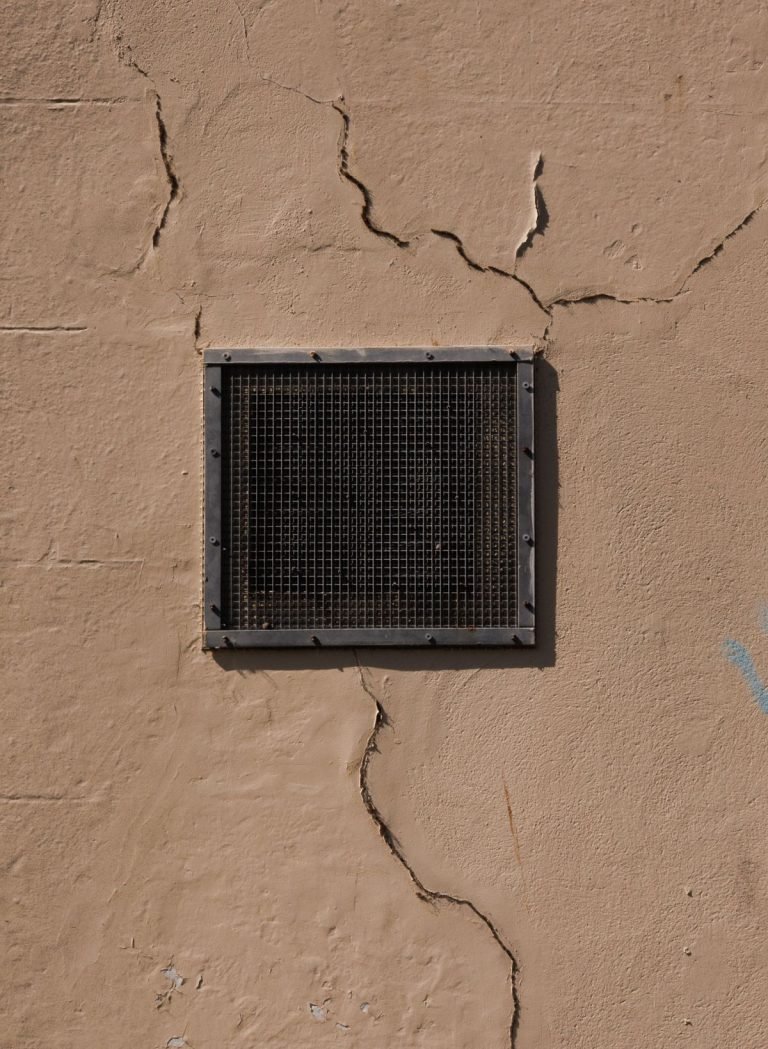
We seal roof, vent and ground-level gaps with metal mesh and sealant, and clean up soiled attic insulation.
Areas We Serve
Rat Removal Across Mission Viejo and Nearby Cities
Roof rats travel the same tree-lined streets from Lake Forest to San Juan Capistrano. We handle rat removal in every Mission Viejo neighborhood and in the cities next door.
Mission Viejo, California
Mission Viejo neighborhoods
Lake Mission ViejoCasta del SolPalmiaPacific HillsAegean HillsMadrid del LagoCountry Club AreaOso Creek
Nearby cities
Rat Removal FAQs
How long does rat removal take?
Most homes need a few visits over one to three weeks: the inspection and trap setup, one or more trap checks, then sealing once activity stops. Bigger or long-running infestations can take longer, because sealing waits until the house is quiet.
Do you use rat poison?
No. We use snap traps and seal the entry points. That fits California’s limits on anticoagulant rodenticides, keeps bait away from pets and wildlife, and avoids the problem of a poisoned rat dying inside a wall where no one can reach it.
How will I know the rats are gone?
The traps stop catching, fresh droppings stop showing up, and the noises at night go quiet. We check runways and entry points on the final visit to confirm there’s no new activity before we close the job.
Is rat trapping safe around kids and pets?
Yes, when it’s done right. Traps go in attics, crawl spaces and covered spots that children and pets can’t reach. We tell you where every trap is, and we plan around any pets that use the garage or yard.
Should I seal the holes myself?
Not while rats are still inside. Sealing too early can trap them in the walls, where they chew new exits or die out of reach. Once activity stops, the gaps should be closed with metal mesh and sealant, since rats can chew through foam alone.
Does homeowners insurance cover rat damage?
Often it doesn’t. Many policies exclude damage caused by rodents, though some cover related damage, such as a fire. Check your policy or ask your agent. We can describe the damage we find so you have the details on hand.
Rats in the Attic? Call for Rat Removal in Mission Viejo
We’ll find where they’re getting in, trap them and seal the house behind them.